
AI Agents Automate Scientific Discovery
New autonomous systems like MIRA and The AI Scientist transition from passive tools to active research collaborators.
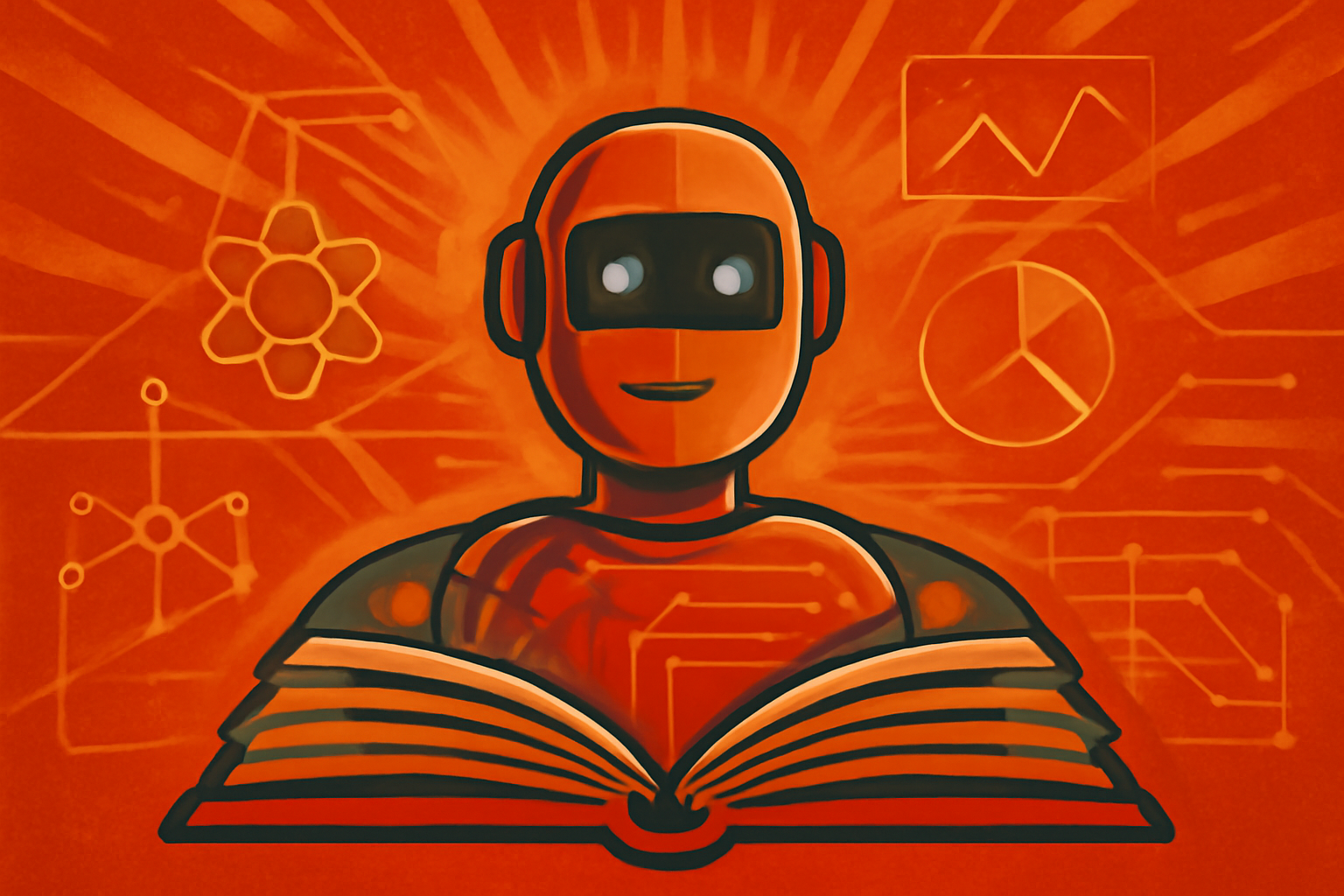
A digital visualization of autonomous AI agents processing scientific data and molecular structures in a modern lab environment.
Photo: Kronos Digital News
New AI systems such as ERA, The AI Scientist, and MIRA are transforming scientific research [1]. These agents move beyond basic reasoning to perform autonomous actions [1]. They can generate novel ideas, write computer code, and conduct experiments [1]. This shift changes AI from a simple tool into an active research collaborator [1].
These autonomous systems are also capable of performing automated peer reviews [1]. Research institutions like Google AI are developing the foundational models that power these agents [2]. This technology streamlines the scientific method to accelerate global discovery [1].
Editorial notes
Transparency note
AI assisted drafting. Human edited and reviewed.
- AI assisted
- Yes
- Human review
- Yes
- Last updated
Risk assessment
The risk level is set to high because the source list contains only two independent domains, falling below the recommended minimum of three.
Sources
Related stories
View all

About the author
Kronos Digital News Desk covers news and editorial analysis for Kronos Digital News.