
AI Creates Materials Faster Than Labs Can Test Them
Researchers call for validation standards as generative AI proposes millions of candidate materials for batteries.

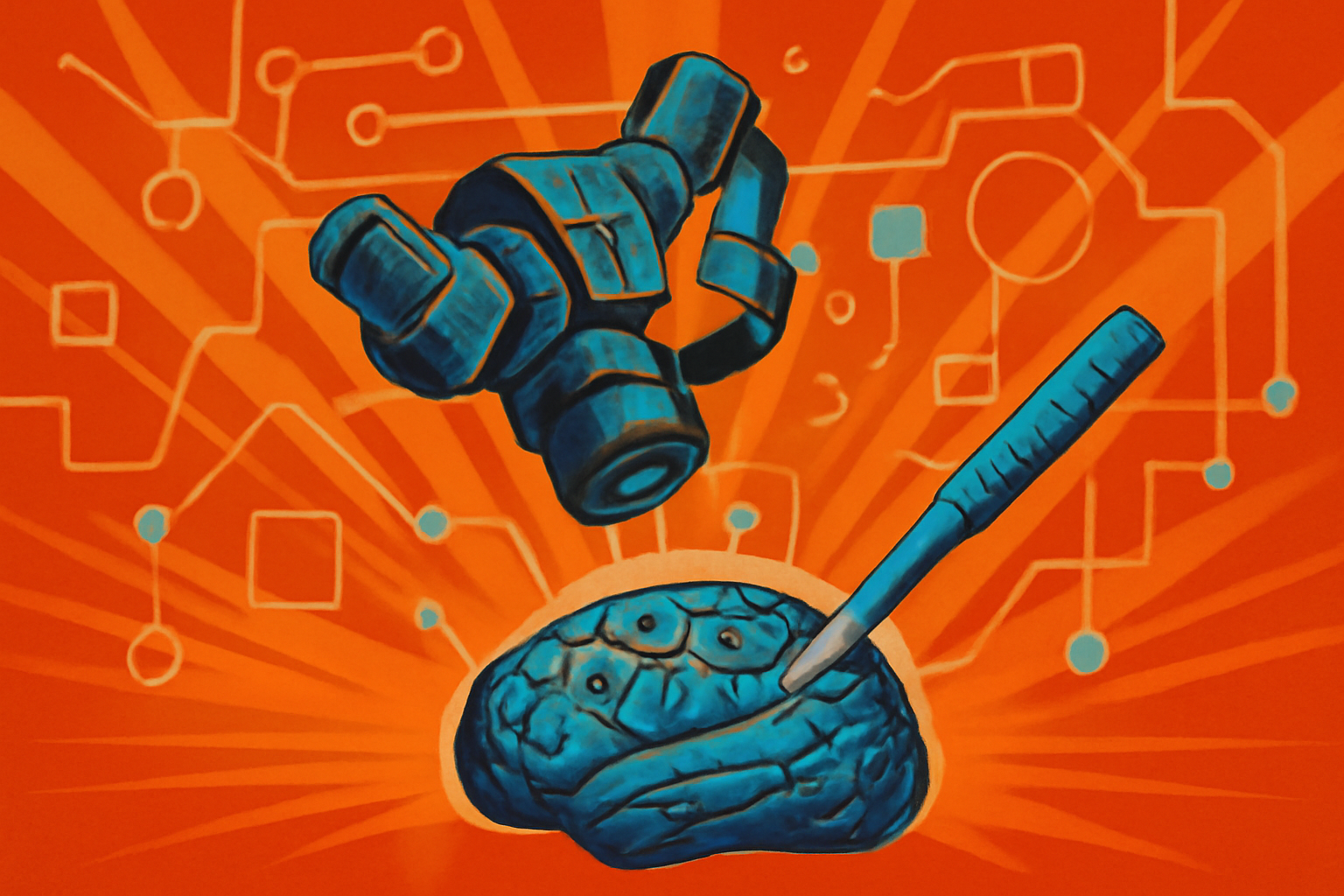
A digital representation of crystalline molecular structures floating above a laboratory bench, symbolizing AI-driven material discovery.
Photo: Kronos Digital News
AI systems are now designing millions of new materials, including semiconductors and batteries, according to research published in August 2026 [1][3]. MIT researchers found that generative AI can predict candidate materials faster than laboratories can physically build and test them [2][3]. This creates a "bottleneck of abundance" where computational predictions outpace experimental capacity [1].
Scientists are proposing a "materials AI evidence passport" to standardize how these predictions are verified [1]. The CrysVCD model from MIT specifically helps bridge this gap by predicting materials that are more likely to work in real-world conditions [2][3]. This new approach aims to reduce the time spent on failed laboratory experiments [2].
Editorial notes
Transparency note
AI assisted drafting. Human edited and reviewed.
- AI assisted
- Yes
- Human review
- Yes
- Last updated
Risk assessment
Reviewed for sourcing quality and editorial consistency.
Sources
- 1.↗
eurasiareview.com
https://www.eurasiareview.com/27082026-ai-can-discover-new-materials-faster-than-science-can-validate-them-analysis/
- 2.↗
news.mit.edu
https://news.mit.edu/2026/ai-helps-design-new-materials-that-work-in-real-world-0826
- 3.↗
timesofindia.indiatimes.com
https://timesofindia.indiatimes.com/education/news/crysvcd-ai-could-change-how-new-materials-are-discovered-and-mit-researchers-have-found-why/articleshow/133536124.cms
Related stories
View all

About the author
Kronos Digital News Desk covers news and editorial analysis for Kronos Digital News.