
Advancing Environmental Remediation through Deep Learning
AI-Designed Biochar Cleans Antibiotics from Water
Researchers use deep learning to predict material effectiveness, speeding up environmental cleanup efforts.
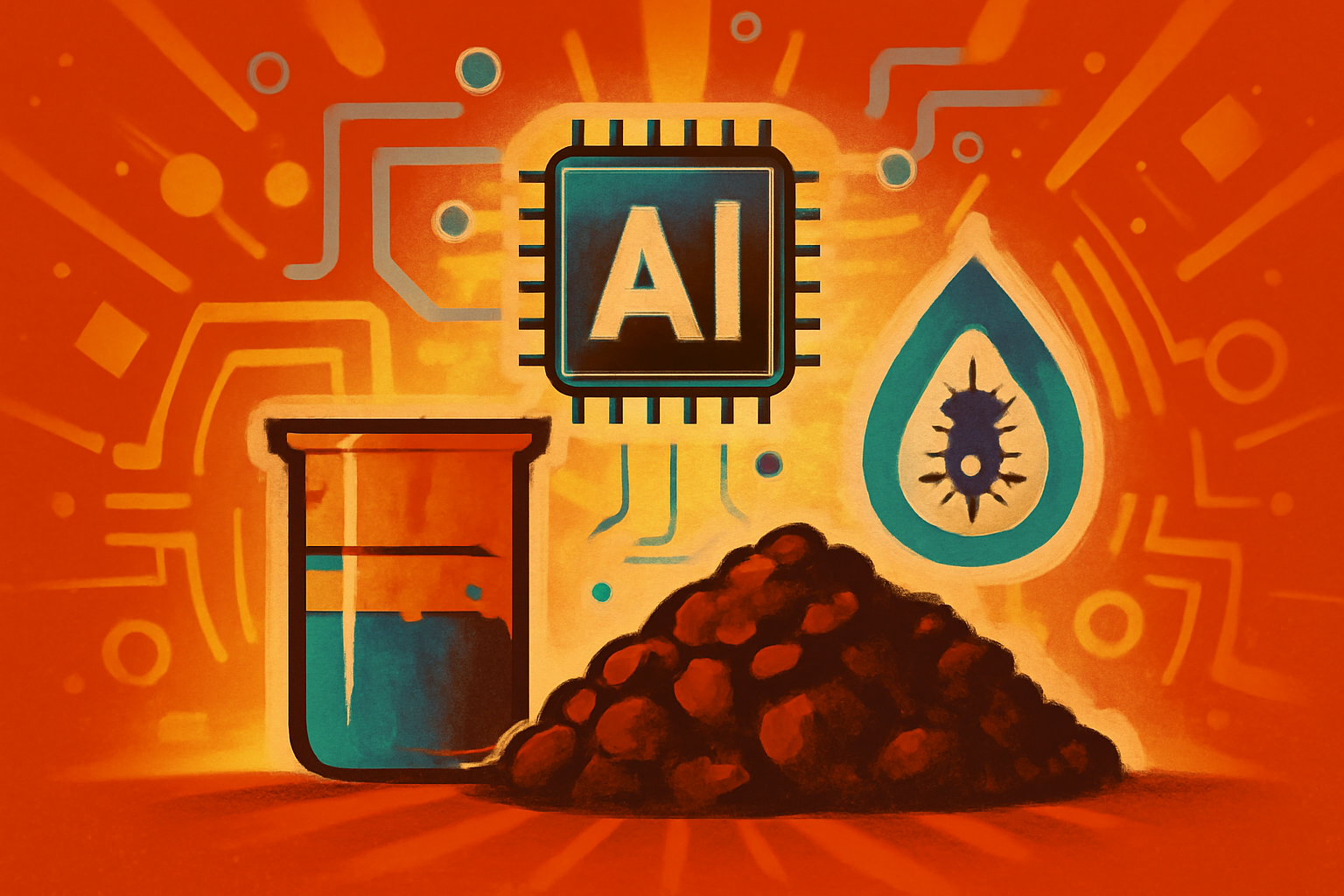
A scientist in a lab holds a beaker of biochar with a digital AI overlay showing data patterns.
Photo: Kronos Digital News
Scientists developed a deep learning framework to design biochar materials that remove antibiotic pollutants from water [1]. This approach replaces traditional trial-and-error methods with AI-driven predictions [1][2]. By analyzing material properties, the system identifies the most effective biochar configurations for environmental remediation [2]. The technology allows researchers to target specific pollutants more efficiently than previous techniques [1]. This innovation could significantly reduce the time needed to develop advanced water treatment solutions [2]. Experts believe AI will play a central role in future sustainability projects [1].
Editorial notes
Transparency note
Drafted with LLM; human-edited
- AI assisted
- Yes
- Human review
- Yes
- Last updated
Risk assessment
Risk level set to high due to limited source diversity; only two independent domains were provided in the source list.
Sources
Related stories
View all

Topics
About the author
Kronos Digital News Desk covers advancing environmental remediation through deep learning and editorial analysis for Kronos Digital News.