
AI Translators Bridging Biotech and Data Science
New roles require dual expertise in biology and AI to optimize lab software and assay development.
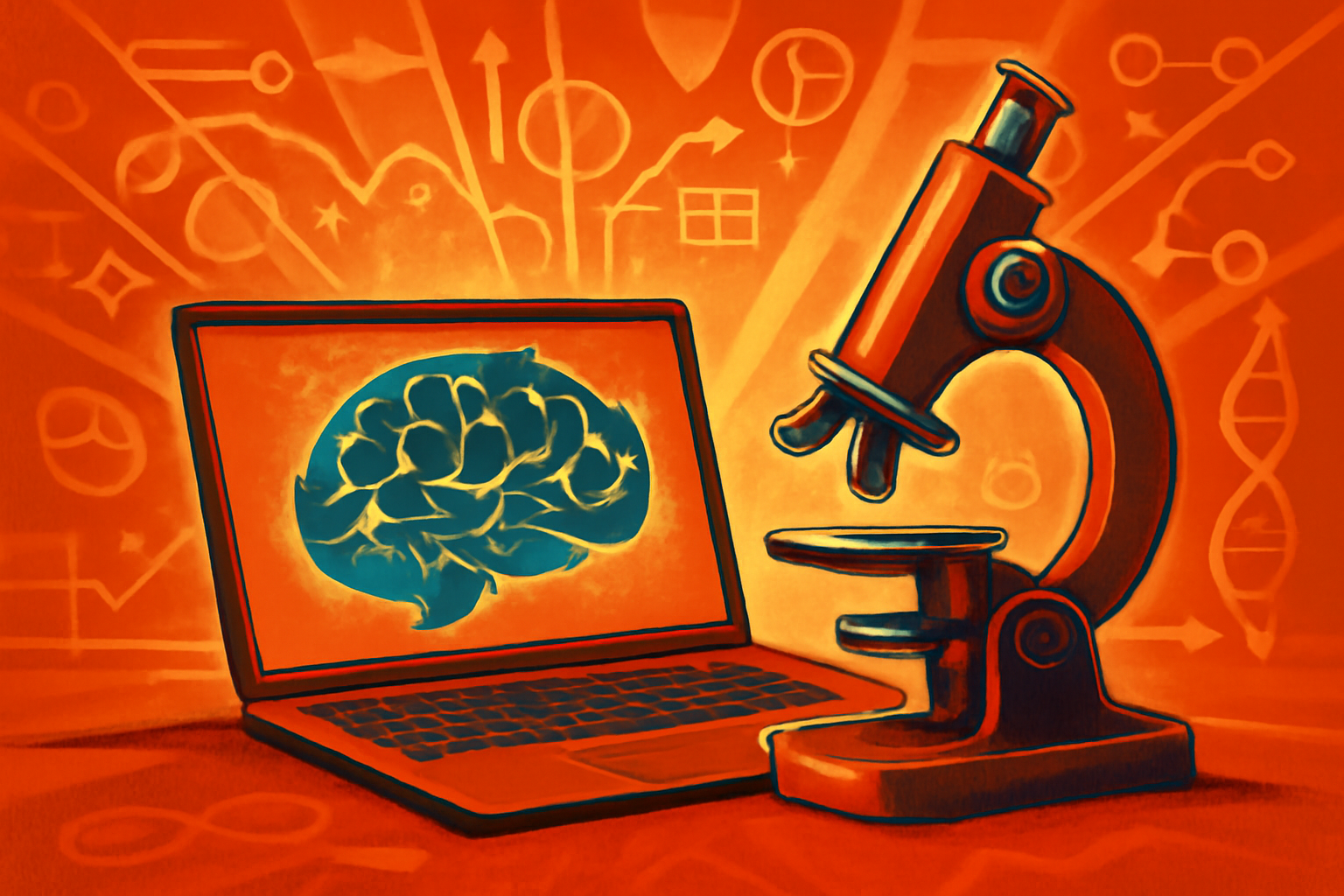
An editorial illustration showing a laboratory scientist on one side and complex data visualizations on the other, connected by digital nodes to represent the integration of AI in biotech.
Photo: Kronos Digital News
Biotechnology research is facing a growing need for "AI translators" to integrate artificial intelligence into life sciences [1]. These professionals must possess dual expertise in biology and data science to bridge the gap between software engineering and laboratory realities [1]. They ensure that digital solutions effectively support complex assay development and experimental workflows [1].
The demand stems from the difficulty of applying general software tools to specific biological contexts [1]. AI translators help interpret lab data for engineers while explaining software capabilities to researchers [1]. This hybrid role is becoming essential for modern biotech firms seeking to scale their AI capabilities [1].
Editorial notes
Transparency note
AI assisted drafting. Human edited and reviewed.
- AI assisted
- Yes
- Human review
- Yes
- Last updated
Risk assessment
The risk level is set to high because the story relies on a single source domain, which does not meet the recommended threshold of three independent sources.
Sources
Related stories
View all
About the author
Kronos Digital News Desk covers news and editorial analysis for Kronos Digital News.