
Accelerating Drug Repurposing Through Deep Learning
AI Uncovers New Potential Treatments for Leigh Syndrome
International researchers used deep learning and brain organoids to identify two drug candidates for the rare disease.
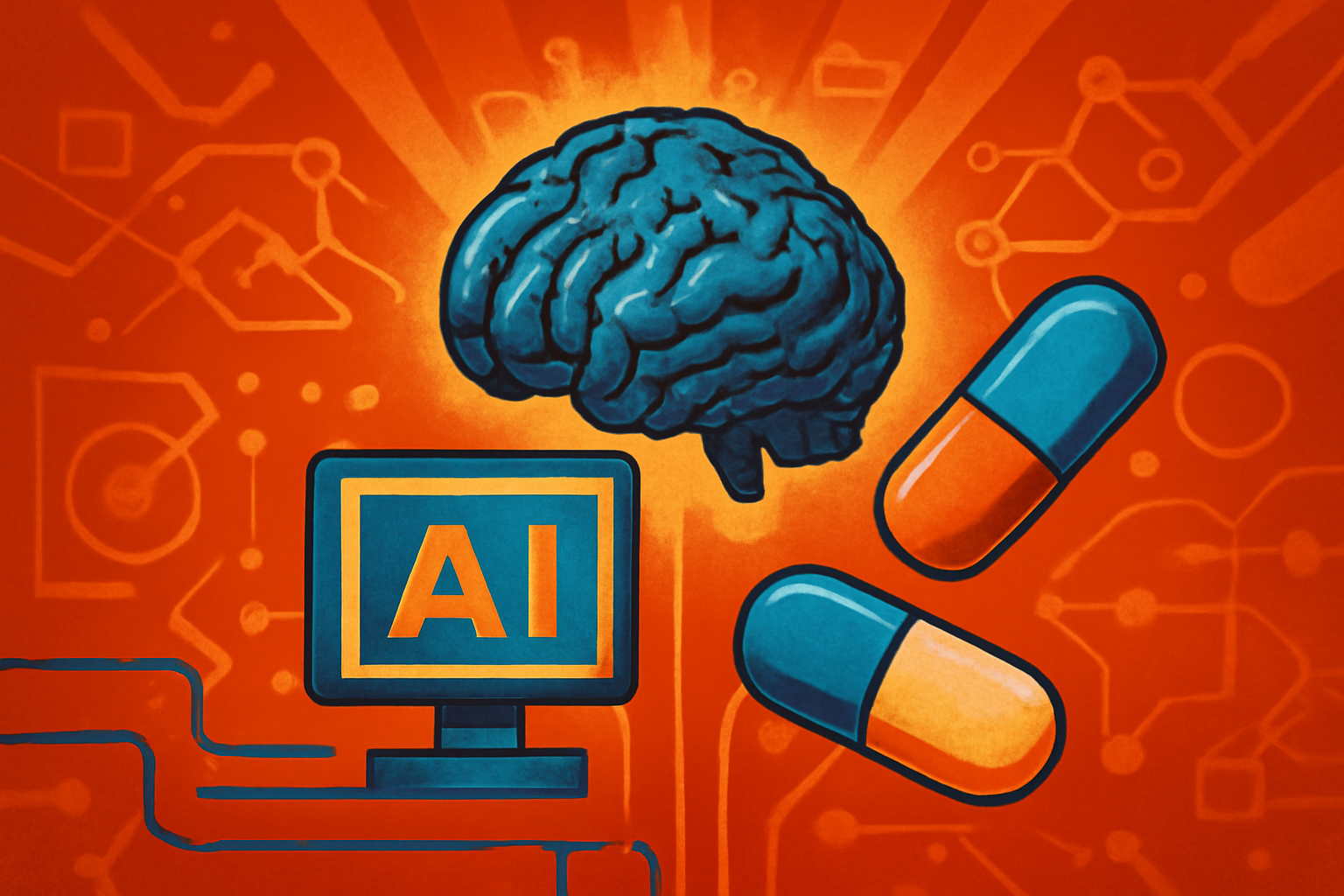
A digital display of neural network pathways overlaid on a microscopic view of human brain organoids in a laboratory setting.
Photo: Kronos Digital News
Researchers from Düsseldorf and Luxembourg used deep learning and human brain organoids to identify new treatment options for Leigh Syndrome [1][2]. The study highlighted talarozole and sertaconazole as promising candidates for treating this rare mitochondrial disorder [1][3]. These findings aim to address a fatal condition that currently lacks effective therapies [2].
The research team applied an AI-driven approach to screen existing drugs for repurposing [1]. By using organoids—miniature brain models grown from cells—scientists could observe how these drugs interact with human tissues [2][3]. This method significantly reduced the time usually required for traditional drug discovery [1].
Editorial notes
Transparency note
AI assisted drafting. Human edited and reviewed.
- AI assisted
- Yes
- Human review
- Yes
- Last updated
Risk assessment
Reviewed for sourcing quality and editorial consistency.
Sources
- 1.↗
technologynetworks.com
https://www.technologynetworks.com/tn/news/ai-driven-research-uncovers-new-treatment-paths-for-rare-brain-disease-411897
- 2.↗
nachrichten.idw-online.de
https://nachrichten.idw-online.de/2026/04/20/rare-leigh-syndrome-artificial-intelligence-supports-the-search-for-new-therapies?groupcolor=3
- 3.↗
hyper.ai
https://hyper.ai/en/stories/50ffe1e2d8c27b872d2b641400ef05cd
Related stories
View all

Topics
About the author
Kronos Digital News Desk covers accelerating drug repurposing through deep learning and editorial analysis for Kronos Digital News.