
AI Wildlife Images Spark Conservation Warnings
Experts warn that realistic synthetic images distort animal behavior and pose risks to public safety and science.
A close-up of a hand holding a smartphone in a forest. The screen shows a fake AI-generated image of a wild animal, representing the spread of digital misinformation in nature.
Photo: Kronos Digital News
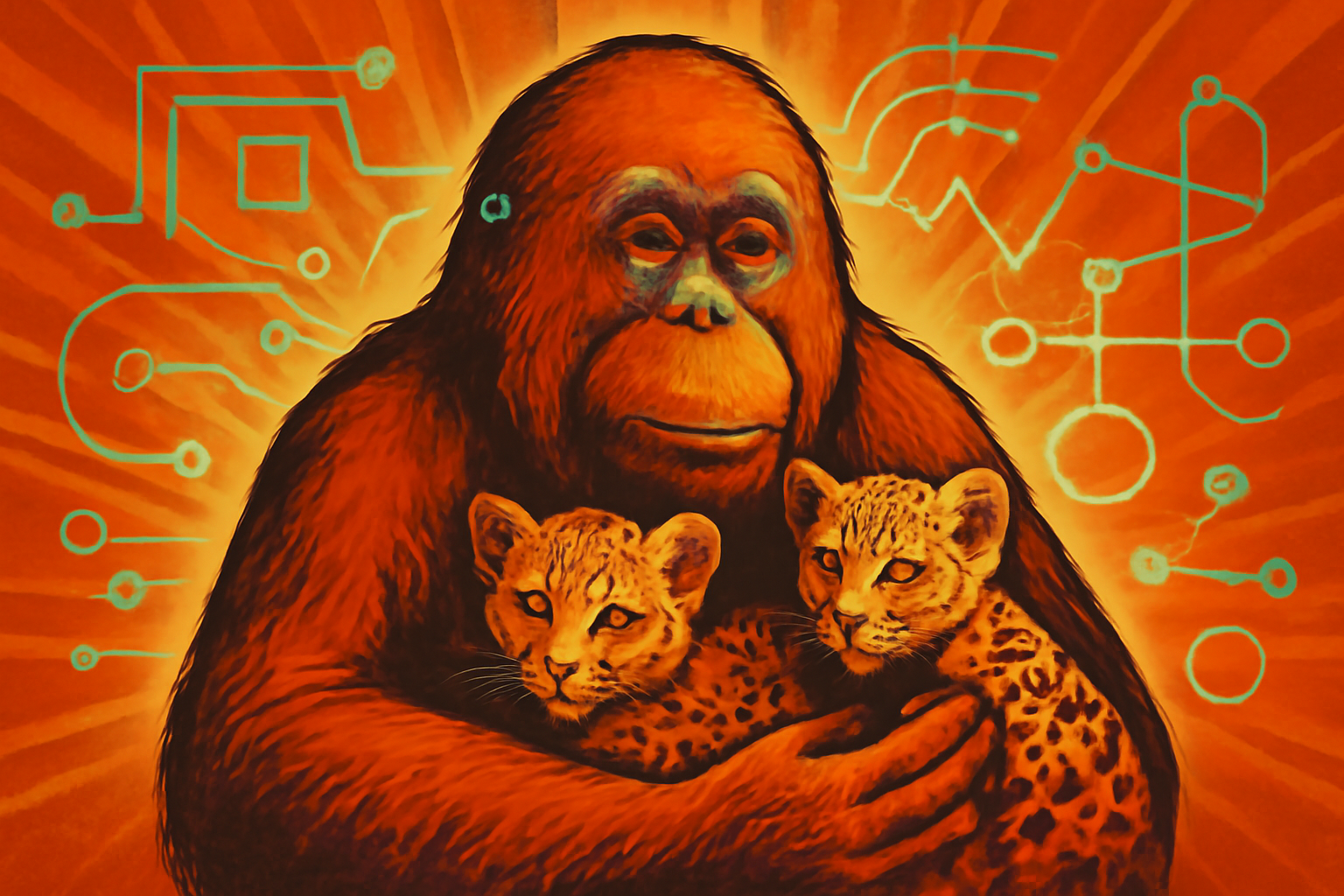
Conservation experts warn that hyper-realistic AI wildlife images are deceiving the public on social media [1]. Visuals like an orangutan holding leopard cubs distort perceptions of animal behavior [1][2]. These synthetic images complicate scientific documentation and pose risks to public safety [1].
In Japan, edited photos have reignited debates about technology's role in conservation [3]. Experts state that such visuals can lead to dangerous real-world human-wildlife interactions [1]. The spread of misinformation threatens the integrity of scientific records and conservation efforts [2].
Editorial notes
Transparency note
AI assisted drafting. Human edited and reviewed.
- AI assisted
- Yes
- Human review
- Yes
- Last updated
Risk assessment
Reviewed for sourcing quality and editorial consistency.
Sources
- 1.↗
japantimes.co.jp
https://www.japantimes.co.jp/environment/2026/08/17/wildlife/conservationists-ai-wildlife-visuals/
- 2.↗
tasnimnews.ir
https://www.tasnimnews.ir/en/news/2026/08/17/3673018/ai-generated-wildlife-images-threaten-animals-experts-warn/amp
- 3.↗
eco-business.com
https://www.eco-business.com/news/ai-edited-wildlife-photo-in-japan-reignites-debate-over-technologys-expanding-role-in-conservation/
Related stories
View all


About the author
Kronos Digital News Desk covers news and editorial analysis for Kronos Digital News.