
Enhancing Science with Digital Twins
Fermilab AI Tools to Advance Particle Accelerators
The MOAT team integrates AI and digital twins to speed up scientific tasks by 100 times under the DOE Genesis Mission.

A digital visualization of a particle accelerator showing a physical pipe alongside a glowing translucent digital twin representation with data overlays.
Photo: Kronos Digital News
Fermilab and six Department of Energy national labs formed the Multi-Office particle Accelerator Team (MOAT) [1]. This group aims to integrate artificial intelligence into the full lifecycle of particle accelerators [1]. The initiative is a key part of the DOE's Genesis Mission [1]. The project recently showcased Osprey, an AI tool that uses autonomous agents to perform scientific tasks 100 times faster [1]. Osprey creates digital twins for virtual diagnostics of complex machinery [1]. These tools allow researchers to simulate and optimize accelerator performance before physical testing [1].
Editorial notes
Transparency note
Drafted with LLM; human-edited
- AI assisted
- Yes
- Human review
- Yes
- Last updated
Risk assessment
The story relies on a single source domain (fnal.gov), failing the requirement for three independent domains.
Sources
Related stories
View all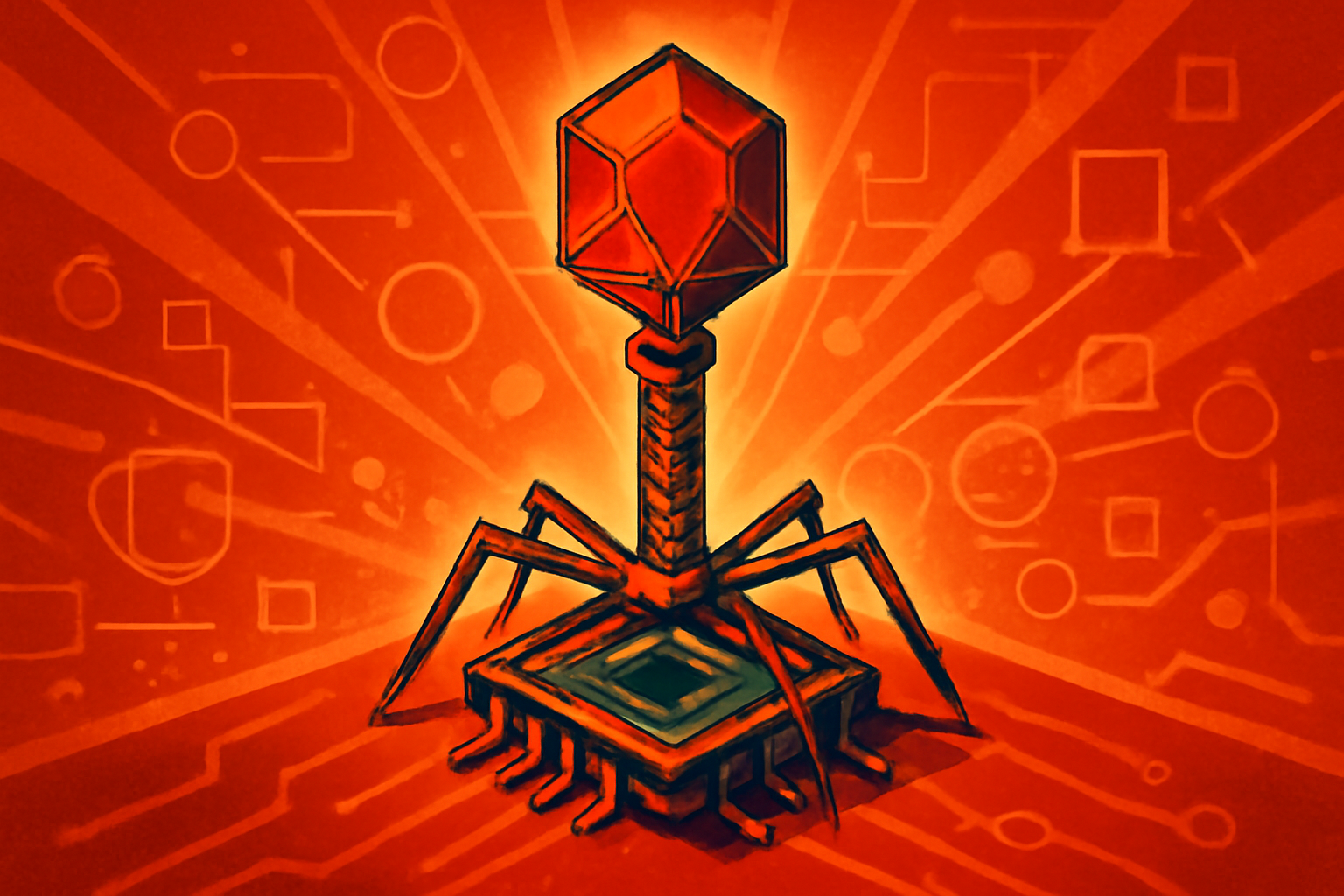

Topics
About the author
Kronos Digital News Desk covers enhancing science with digital twins and editorial analysis for Kronos Digital News.