KAIST and Microsoft Use Brainwaves to Correct AI Errors
Researchers develop 'Neural Value Alignment' to help AI systems detect and fix mistakes by reading human intent.
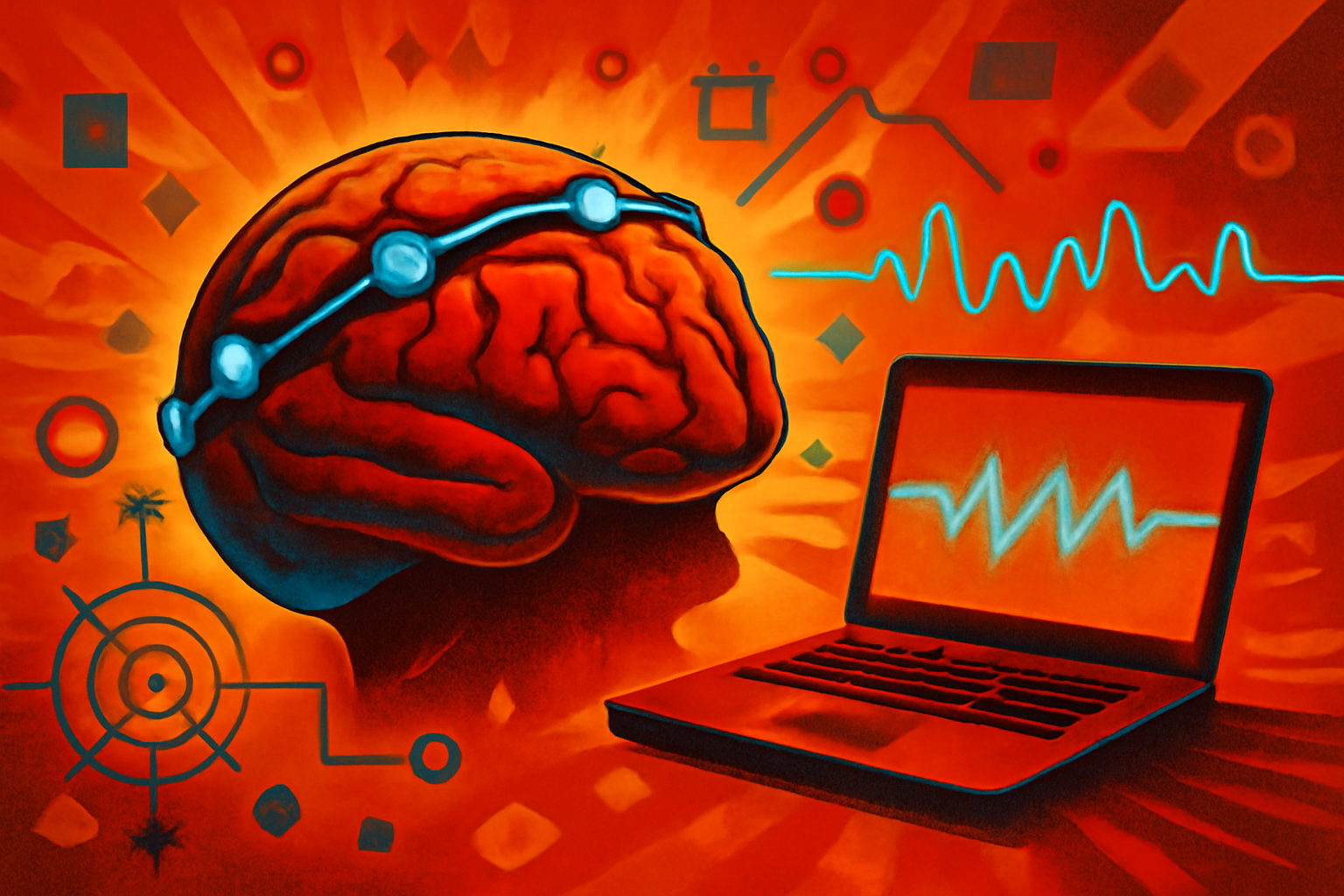
A person wearing a high-tech EEG headset to control an AI system, with digital brainwave patterns visible on a screen in a modern research lab.
Photo: Kronos Digital News
Researchers from KAIST and Microsoft Research Asia have developed "Neural Value Alignment" (NVA). This brain-computer interface technology allows AI systems to identify human intent using brainwaves [1]. The system detects specific cognitive signals when an AI makes a mistake or deviates from expectations [2].
Unlike traditional systems, NVA enables AI to revise its goals or methods instantly. It operates without the need for verbal or physical commands from the user [1][3]. This approach could improve the safety of autonomous systems by aligning them with human values [2].
Editorial notes
Transparency note
AI assisted drafting. Human edited and reviewed.
- AI assisted
- Yes
- Human review
- Yes
- Last updated
Risk assessment
Reviewed for sourcing quality and editorial consistency.
Sources
Related stories
View all

About the author
Kronos Digital News Desk covers news and editorial analysis for Kronos Digital News.