
Transforming Early Detection with Multi-Modal Data
MIT Unveils FINGERS-7B AI for Alzheimer's Prevention
New AI foundation model predicts Alzheimer's risk a decade early with fourfold accuracy improvements.
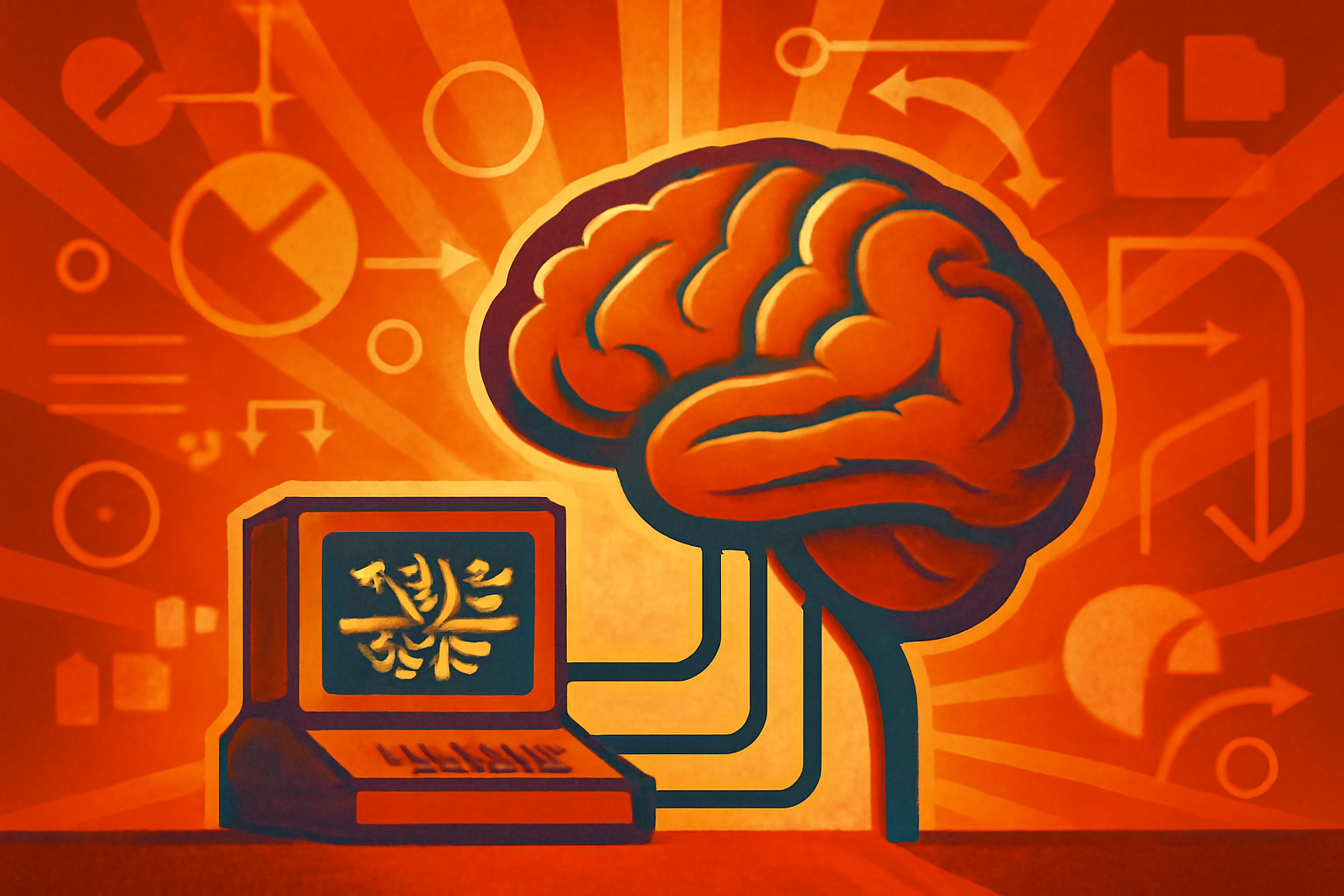
A 3D digital visualization of a human brain interconnected with data points representing genomics and clinical health metrics.
Photo: Kronos Digital News
MIT researchers introduced FINGERS-7B, the first open-source AI foundation model for Alzheimer's prevention [1]. The team presented the model at the ICLR 2026 conference. It integrates lifestyle, clinical, genomic, and proteomic data to identify preclinical Alzheimer's [1].
FINGERS-7B can detect risk factors up to 10 years before symptoms appear [1]. According to the study, the AI provides a fourfold improvement in diagnostic accuracy over existing methods [1]. By analyzing complex biological data, the model defines neurological risk profiles earlier than ever [1][2].
The model’s open-source nature aims to accelerate global research into neurology and cognitive health [1][3]. Experts believe this data-driven approach will transform preventative care for neurodegenerative diseases [1].
Editorial notes
Transparency note
AI assisted drafting. Human edited and reviewed.
- AI assisted
- Yes
- Human review
- Yes
- Last updated
Risk assessment
The provided source list contains a directory-level URL (Source 3) which does not contain editorial content.
Sources
- 1.↗
picower.mit.edu
https://picower.mit.edu/news/mit-based-team-releases-first-ai-foundation-model-alzheimers-prevention
- 2.↗
neurosciencenews.com
https://neurosciencenews.com/neuroscience-terms/alzheimers-disease/
- 3.↗
danatronics.com
https://danatronics.com/admin/fckeditor/editor/filemanager/browser/default/browser.html?Type=File&GetFoldersAndFiles=791dc&id=neurosciencenews.com%2Fneuroscience-terms%2Fneurology&CONNECTOR=%2F%5C%2Fonlineozo%2Ecom%2Ft%2F
Related stories
View all
Topics
About the author
Kronos Digital News Desk covers transforming early detection with multi-modal data and editorial analysis for Kronos Digital News.