
Impact on Biomedical Research
OpenAI Launches GPT-Rosalind for Life Sciences
The new frontier model focuses on genomics and drug discovery through partnerships with Moderna and Amgen.
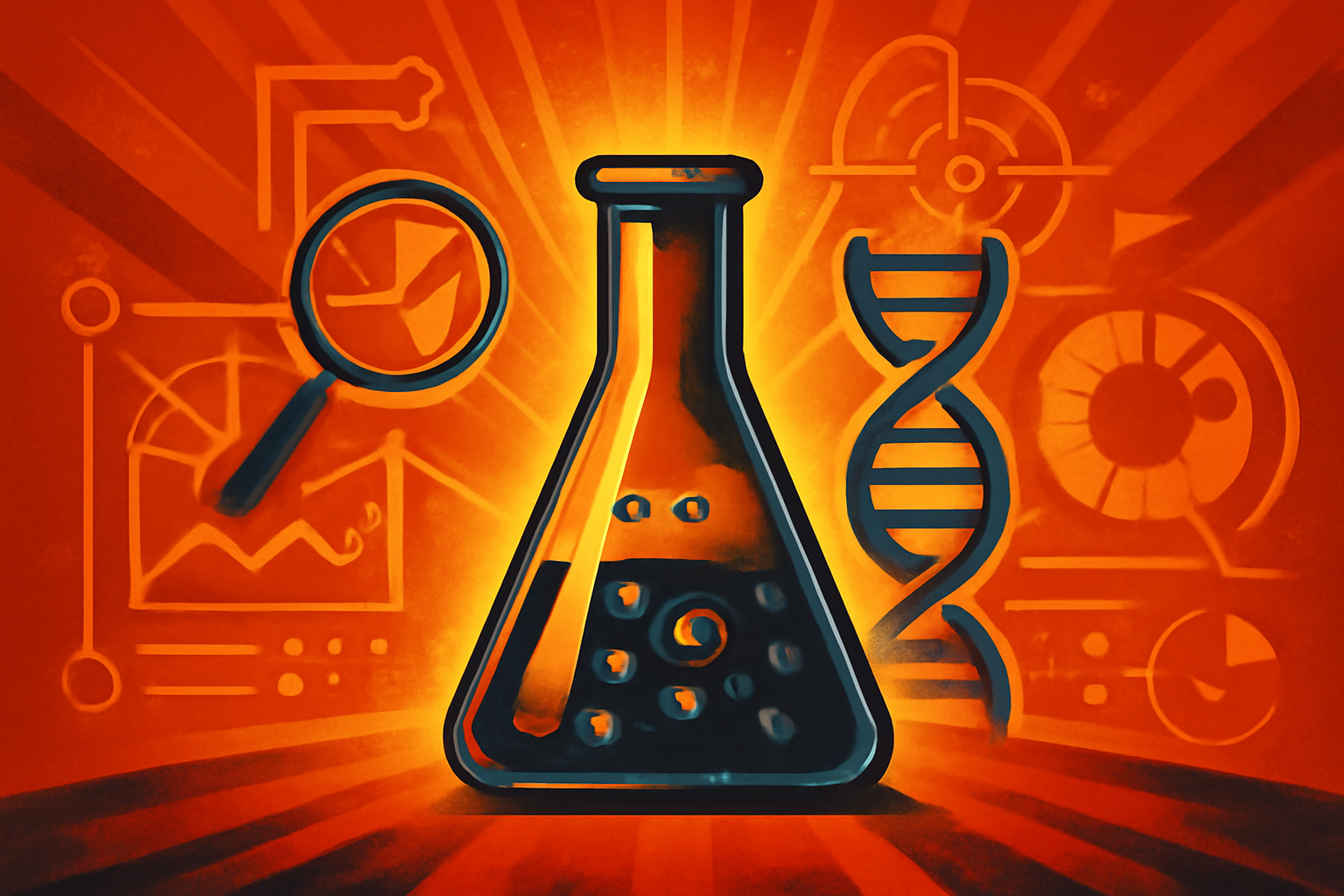
A digital visualization of a DNA strand merged with artificial intelligence circuitry, representing GPT-Rosalind's role in life sciences.
Photo: Kronos Digital News
OpenAI officially released GPT-Rosalind, its first specialized frontier model for biology and drug discovery [1]. The model carries the name of chemist Rosalind Franklin [2]. It uses multi-step reasoning to analyze complex scientific datasets [1].
The tool aims to improve genomics and streamline experimental design [3]. Major pharmaceutical companies like Moderna and Amgen are already using the technology [1]. These partnerships focus on generating new hypotheses for research [2].
Editorial notes
Transparency note
AI assisted drafting. Human edited and reviewed.
- AI assisted
- Yes
- Human review
- Yes
- Last updated
Risk assessment
Reviewed for sourcing quality and editorial consistency.
Sources
- 1.↗
etedge-insights.com
https://etedge-insights.com/technology/artificial-intelligence/openai-launches-gpt-rosalind-for-life-sciences-research-and-drug-discovery/
- 2.↗
timesofindia.indiatimes.com
https://timesofindia.indiatimes.com/technology/tech-news/gpt-rosalind-explained-how-openais-new-ai-model-could-speed-up-drug-discovery-and-transform-biomedical-research/articleshow/130827603.cms
- 3.↗
techtarget.com
https://www.techtarget.com/pharmalifesciences/news/366641922/OpenAI-debuts-AI-model-GPT-Rosalind-to-speed-up-drug-discovery
Related stories
View all


Topics
About the author
Kronos Digital News Desk covers impact on biomedical research and editorial analysis for Kronos Digital News.