
The Boundaries of Machine Logic
Peter J. Denning Challenges Turing’s AI Foundation
New research suggests that machines cannot replicate human intuition and common sense due to logical limitations.
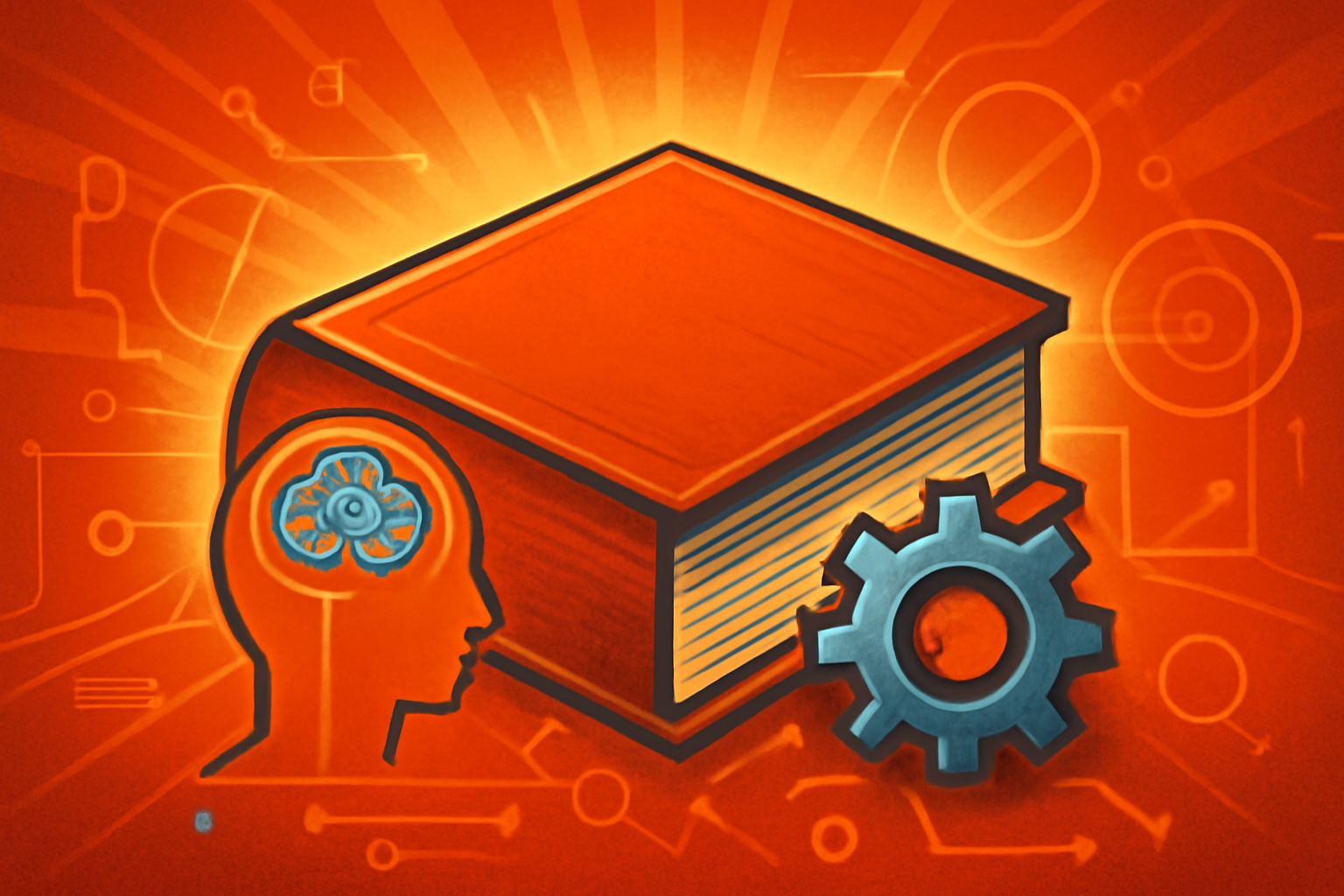
An open book on a desk with a holographic brain hovering above it, illustrating the divide between digital logic and organic human intuition.
Photo: Kronos Digital News
Computer scientist Peter J. Denning has released a new book challenging the core foundations of artificial intelligence [1]. Denning argues that AI is built on a flawed assumption originating from Alan Turing's 1950 paper [1].
The research claims that human traits like common sense and intuition cannot be encoded into machines [1]. Denning posits that these qualities are not algorithmic and therefore remain beyond the reach of current computational models [1].
This challenge suggests a significant gap between logical processing and human-level understanding [1]. The findings indicate that current AI development may need to address these fundamental logical constraints to progress further [1].
Editorial notes
Transparency note
AI assisted drafting. Human edited and reviewed.
- AI assisted
- Yes
- Human review
- Yes
- Last updated
Risk assessment
The risk level is set to high because the story relies on a single source domain (ScienceDaily), failing the recommendation for three independent domains.
Sources
Related stories
View all

Topics
About the author
Kronos Digital News Desk covers the boundaries of machine logic and editorial analysis for Kronos Digital News.