
Simulating Efficiency in Global Aviation
UF Researchers Use AI Digital Twins to Cut Travel Delays
National Science Foundation-funded project at University of Florida simulates airport flows to optimize global travel.
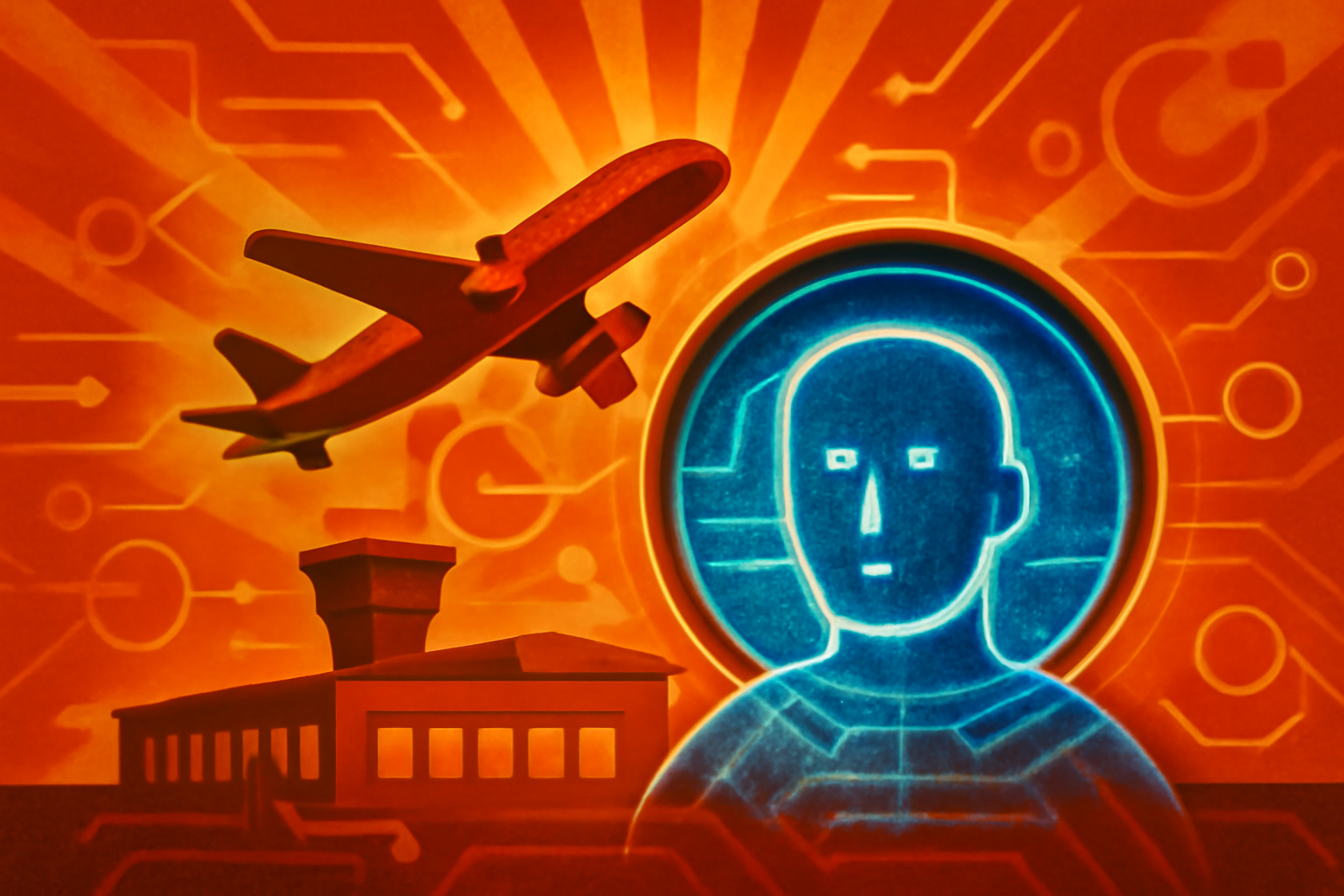
A 3D digital twin simulation of an airport terminal with glowing data visualizations of passenger movement and flight paths.
Photo: Kronos Digital News
Researchers at the University of Florida are deploying artificial intelligence and digital twin technology to improve air travel efficiency [1]. The project, funded by the National Science Foundation, creates virtual replicas of airport systems to simulate flight scheduling and passenger flows [1].
By using these digital simulations, the team can identify potential bottlenecks and test solutions without disrupting actual operations [1]. This research aims to reduce global travel delays and make aviation networks more resilient against unexpected changes [1].
Editorial notes
Transparency note
AI assisted drafting. Human edited and reviewed.
- AI assisted
- Yes
- Human review
- Yes
- Last updated
Risk assessment
The story relies on a single source domain (University of Florida), which fails the internal checklist requirement for at least three independent domains.
Sources
Related stories
View all


Topics
About the author
Kronos Digital News Desk covers simulating efficiency in global aviation and editorial analysis for Kronos Digital News.