
Advancing Neuromodulation with AI Technology
USC Researcher Leads $2.4M AI Cerebellum Project
Maryam Shanechi will develop AI-directed treatments to improve motor disorder therapies and replace manual methods.
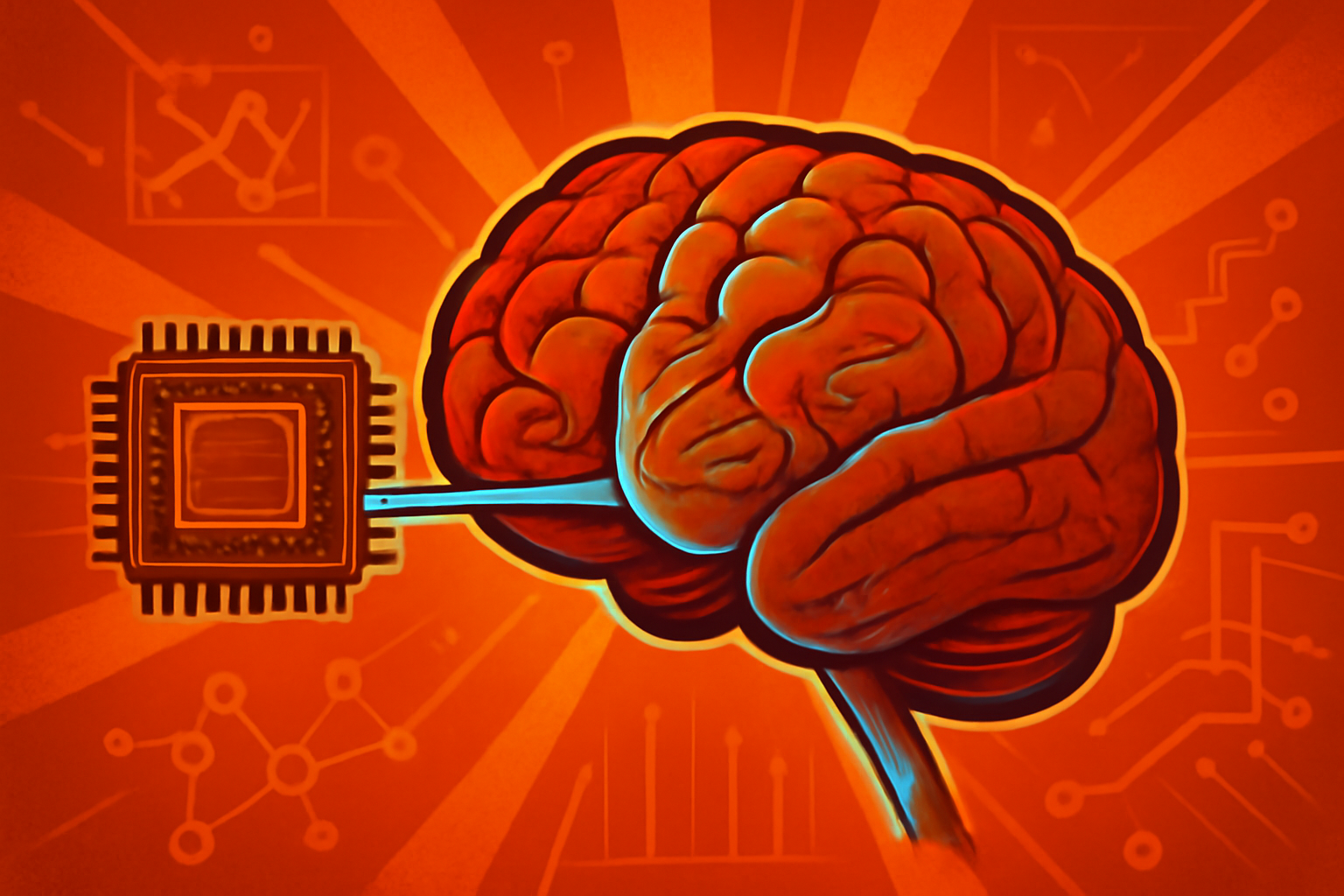
A scientist analyzes a glowing 3D digital model of the human brain's cerebellum on a high-tech transparent screen in a modern laboratory.
Photo: Kronos Digital News
USC Viterbi School of Engineering researcher Maryam Shanechi has been selected to lead a new $2.4 million artificial intelligence initiative [1]. This project is part of the larger Raynor Cerebellum Project and focuses on creating adaptive treatments for cerebellar motor disorders [1]. The team aims to replace traditional trial-and-error therapy methods with automated, data-driven solutions [1].
Shanechi’s team will develop AI-directed neuromodulation systems to treat patients with movement issues [1]. These systems are designed to adjust brain stimulation in real-time based on specific patient needs [1]. This core technology could eventually lead to more precise and personalized care for complex neurological conditions [1].
Editorial notes
Transparency note
AI assisted drafting. Human edited and reviewed.
- AI assisted
- Yes
- Human review
- Yes
- Last updated
Risk assessment
The risk level is set to high because the content relies on a single source domain (USC Viterbi News).
Sources
Related stories
View all


Topics
About the author
Kronos Digital News Desk covers advancing neuromodulation with ai technology and editorial analysis for Kronos Digital News.