
Bio-Hybrid DNA Device Cuts AI Power Use by 100x
Penn State researchers develop a synthetic DNA memristor that mimics human neurons to improve energy efficiency.
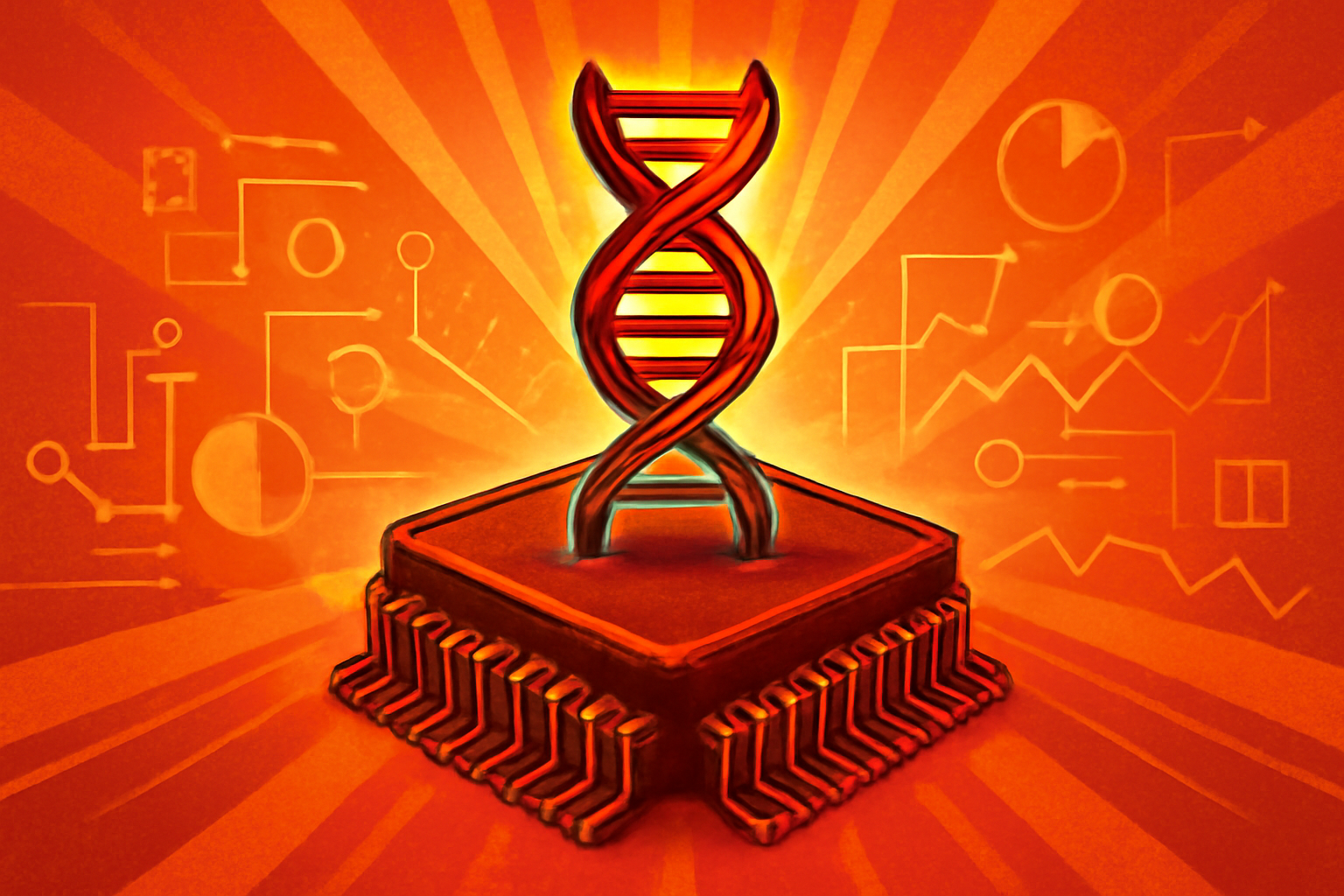
A microscopic view of a semiconductor chip integrated with glowing synthetic DNA strands to represent bio-hybrid computing technology.
Photo: Kronos Digital News
Penn State researchers developed a bio-hybrid memristor by combining synthetic DNA with semiconductors [1]. This device mimics the function of human neurons to process information [1]. The technology aims to reduce the high energy costs of modern artificial intelligence systems [1].
The new memory device reportedly uses 100 times less power for AI data processing [2]. By merging biological materials with hardware, the team creates more sustainable computing systems [1][2]. This innovation could improve efficiency for robotics and complex AI models [2][3].
Editorial notes
Transparency note
AI assisted drafting. Human edited and reviewed.
- AI assisted
- Yes
- Human review
- Yes
- Last updated
Risk assessment
Reviewed for sourcing quality and editorial consistency.
Sources
Related stories
View all
About the author
Kronos Digital News Desk covers news and editorial analysis for Kronos Digital News.