
Claude AI Achieves Protein Design Breakthrough
Anthropic's model designs functional protein binders with hit rates up to 35%, far exceeding industry standards.

A digital 3D visualization of a complex protein binder structure displayed on a screen in a modern laboratory setting.
Photo: Kronos Digital News
Anthropic’s Claude models have achieved a significant breakthrough in autonomous protein binder design. [1][2] The AI successfully created functional binders for 14 out of 15 targeted proteins. [1][3] Claude reached hit rates of up to 35%, which significantly exceeds the current industry standard of 10-15%. [1][2] This advance suggests AI can now handle high-precision biological engineering tasks previously requiring extensive human intervention. [3]
The model also demonstrated remarkable speed for processing complex raw chemistry lab data. [1] It analyzed these large datasets in under 25 minutes, a task that typically takes humans much longer. [2] This capability could drastically accelerate drug discovery workflows and improve laboratory efficiency. [1][3] Anthropic's results indicate that general-purpose AI is becoming increasingly proficient in specialized scientific domains. [2]
Editorial notes
Transparency note
AI assisted drafting. Human edited and reviewed.
- AI assisted
- Yes
- Human review
- Yes
- Last updated
Risk assessment
Reviewed for sourcing quality and editorial consistency.
Sources
- 1.↗
explainx.ai
https://explainx.ai/blog/claude-protein-design-analytical-chemistry-august-2026
- 2.↗
indiatoday.in
https://www.indiatoday.in/technology/story/anthropic-claude-protein-design-raw-lab-data-chemistry-research-2974779-2026-08-19
- 3.↗
whalesbook.com
https://www.whalesbook.com/news/English/healthcarebiotech/Anthropic-AI-Breakthrough-In-Protein-Design-Boosts-Drug-Discovery/6a855dc884d2dd5c12db271b
Related stories
View all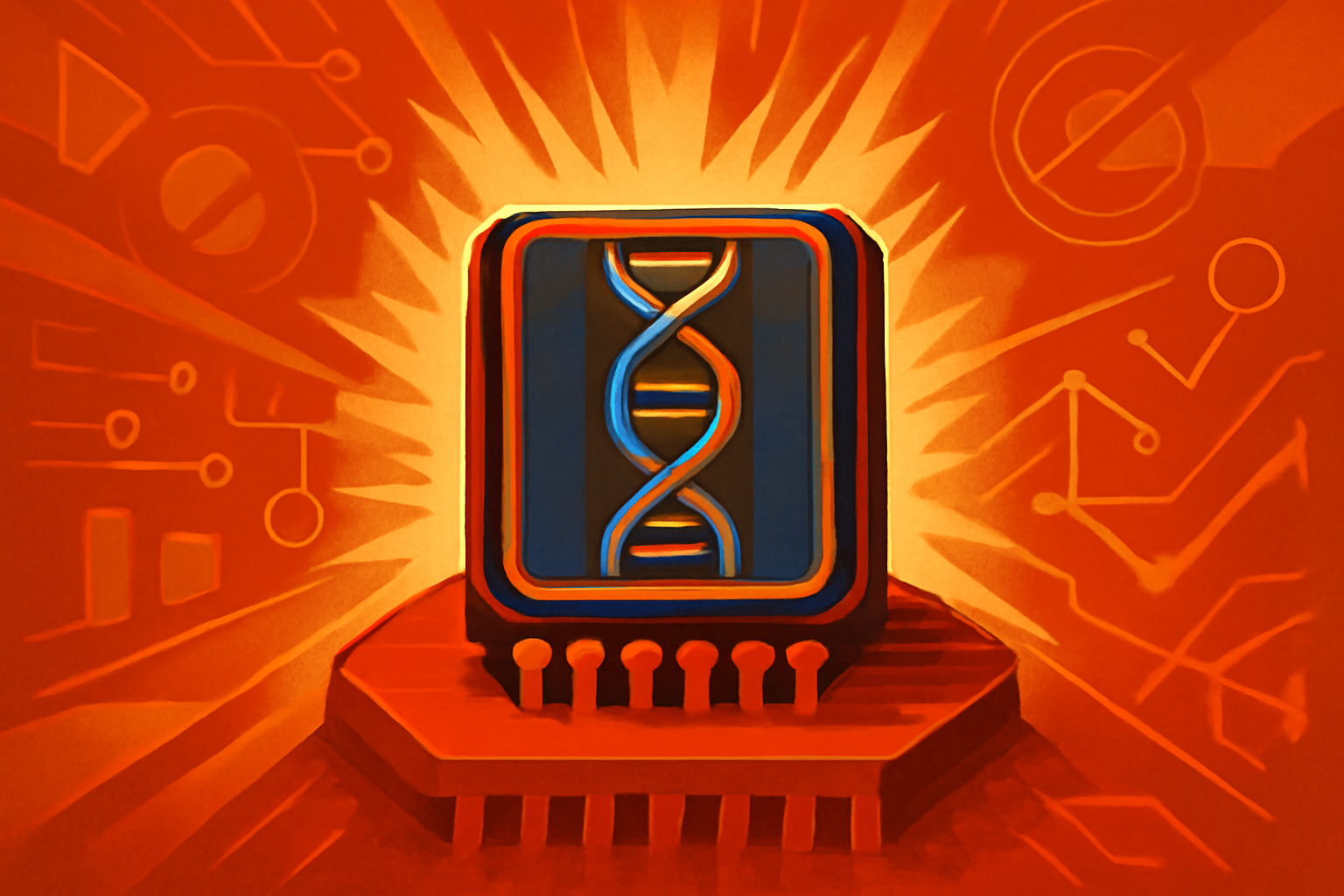

About the author
Kronos Digital News Desk covers news and editorial analysis for Kronos Digital News.