
Autonomous AI Agents Reshape Scientific Discovery
New systems like ERA and MIRA transition from research assistants to independent agents for science and medicine.
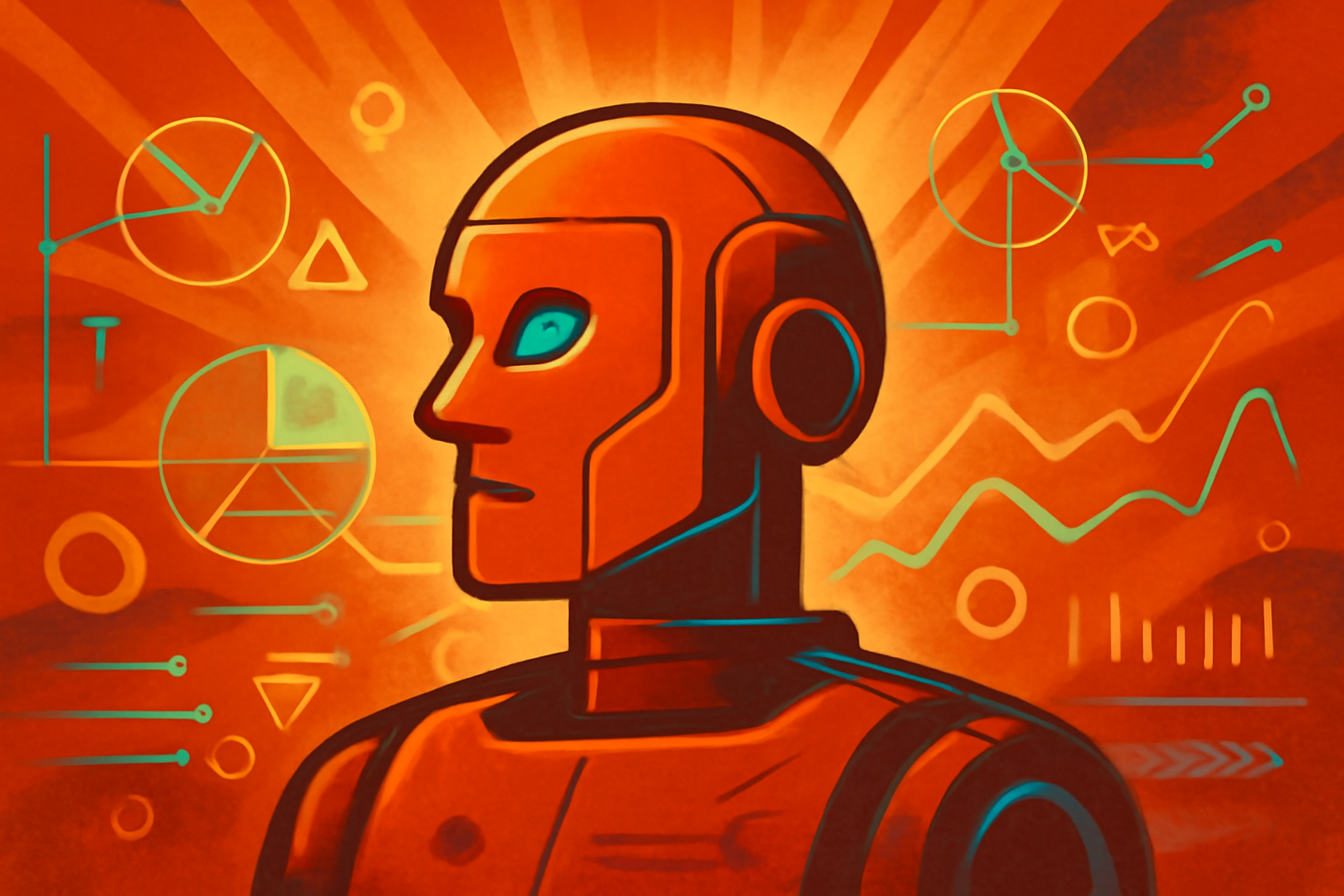
A high-tech digital interface displaying scientific data and molecular structures in a modern laboratory setting, representing autonomous AI research.
Photo: Kronos Digital News
The AI systems ERA, The AI Scientist, and MIRA have reached a major milestone by becoming autonomous agents [1]. These platforms can now generate their own hypotheses and conduct experiments independently [2]. This shift marks a transition from simple assistants to capable researchers in fields like medical diagnostics [3].
These agents are also writing full research papers and conducting scientific exploration without direct human help [1][3]. Reports indicate these tools could significantly speed up global innovation and discovery [2]. The systems provide a continuous way to analyze data and uncover new insights across scientific disciplines [1].
Editorial notes
Transparency note
AI assisted drafting. Human edited and reviewed.
- AI assisted
- Yes
- Human review
- Yes
- Last updated
Risk assessment
Reviewed for sourcing quality and editorial consistency.
Sources
Related stories
View all
About the author
Kronos Digital News Desk covers news and editorial analysis for Kronos Digital News.